How it works
From glut to good swap, in four steps.
SwapHarvest is built for people who grow, gather, bake, or brew more than they can use. Here is what a typical swap looks like, start to finish.
The four steps
- Step 1
List
Snap a photo of your surplus harvest, jars of preserves, or punnets of seedlings. Add a clear quantity (six dozen eggs, two kilograms of zucchini) and pick the suburb you'd swap from. The map only shows your suburb centroid, never your address.
- Step 2
Browse
Browse listings near your postcode on a map. Filter by category (vegetables, eggs, honey, preserves, seedlings) and by how far you're willing to travel. Save the listings that look promising.
- Step 3
Propose
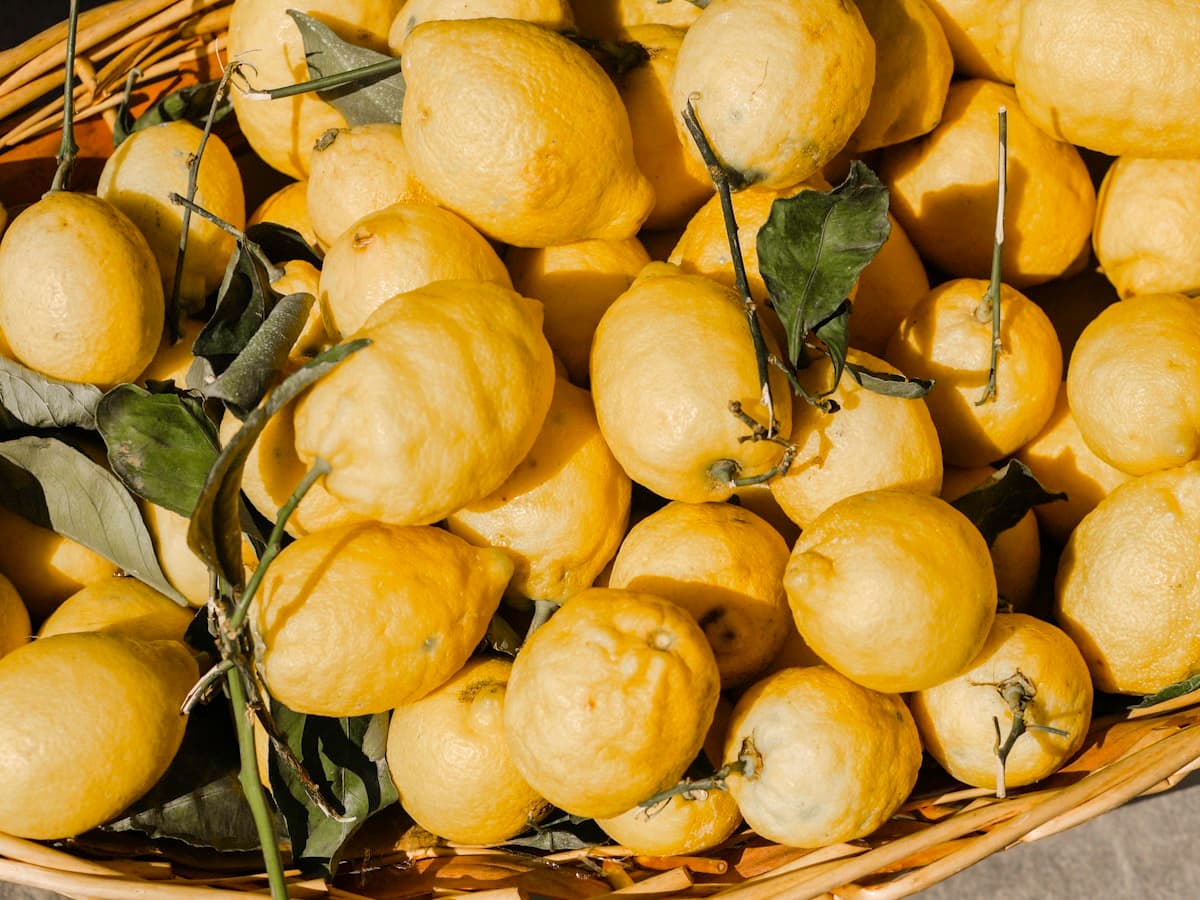
Suggest a swap: maybe a kilo of your lemons for a jar of their plum jam. Chat in-app to nail down a pickup spot and time. Everything stays on the platform until you both agree.
- Step 4
Swap
Meet up, hand over your goods, and take home theirs. Mark the swap as completed so your neighbour gets a quiet thumbs up on their profile, then go and enjoy the harvest.
The principles behind it
Three ideas shape every product decision: how we render the map, how we limit listings, what we will and will not build.
Hyperlocal
SwapHarvest is built around suburbs and short trips. You'll see what's spare within a comfortable cycle or drive: 10 km by default, 30 km at the cap.
No money, ever
Every swap is goods for goods. No payments, no gift cards, no clever workarounds. It keeps the platform simple and the spirit generous.
Food not waste
Glut harvests, surplus eggs, and a kitchen full of preserves are wins, not problems. SwapHarvest helps your spare reach someone who'll cook it up tonight.
Ready to list something?
A photo, a quantity, a suburb. That is the whole listing.